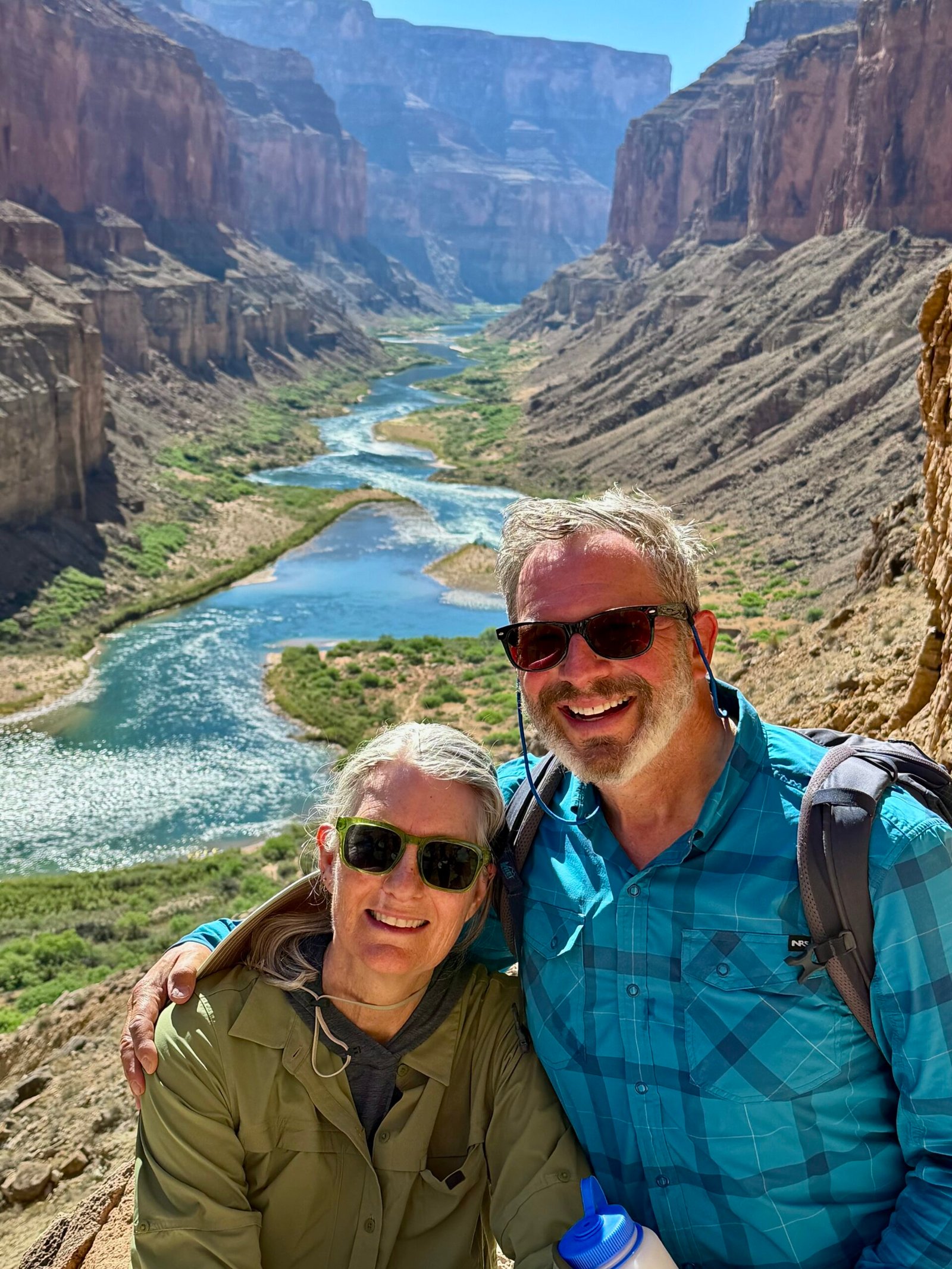
The Emerald Path
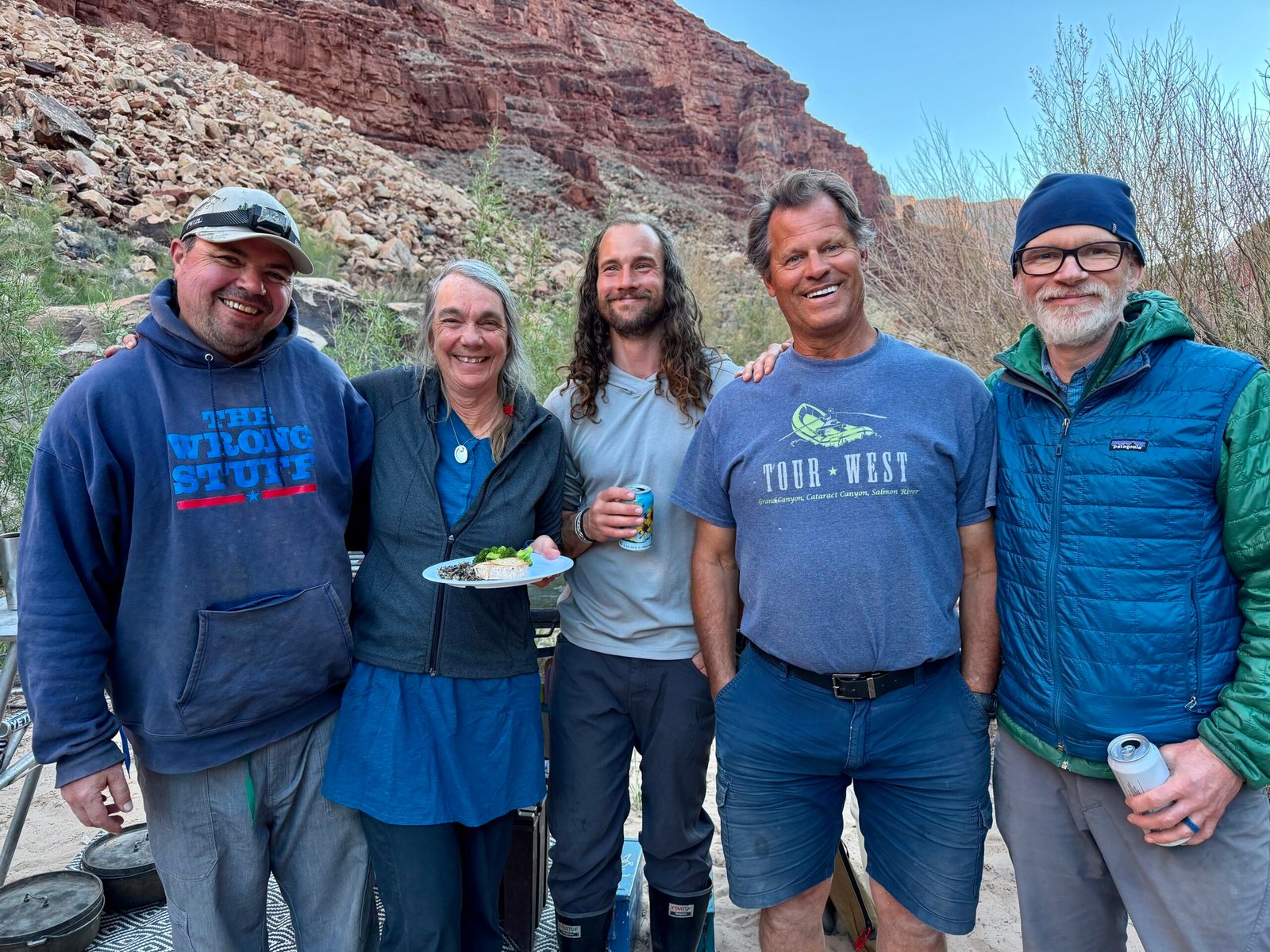
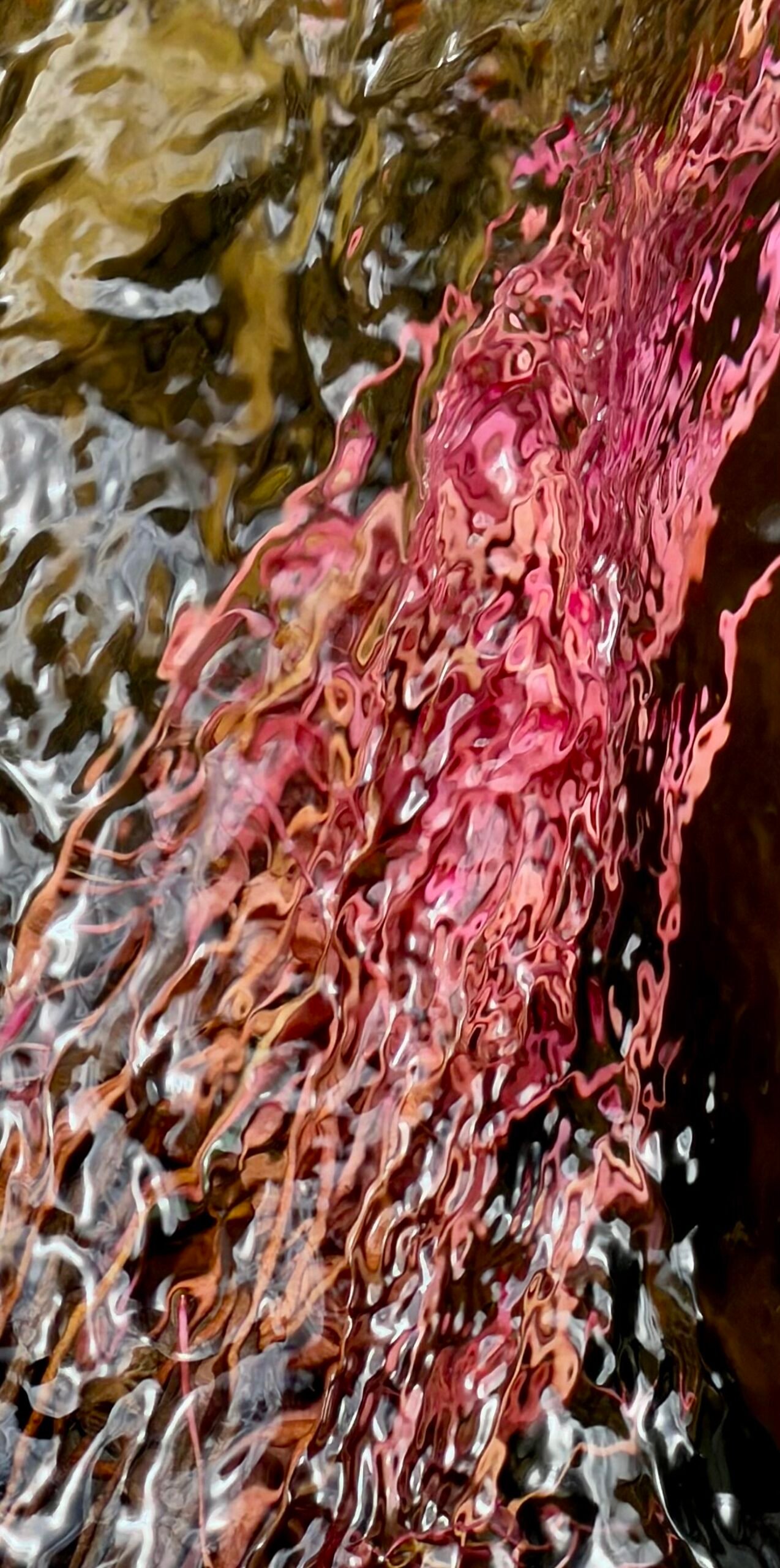
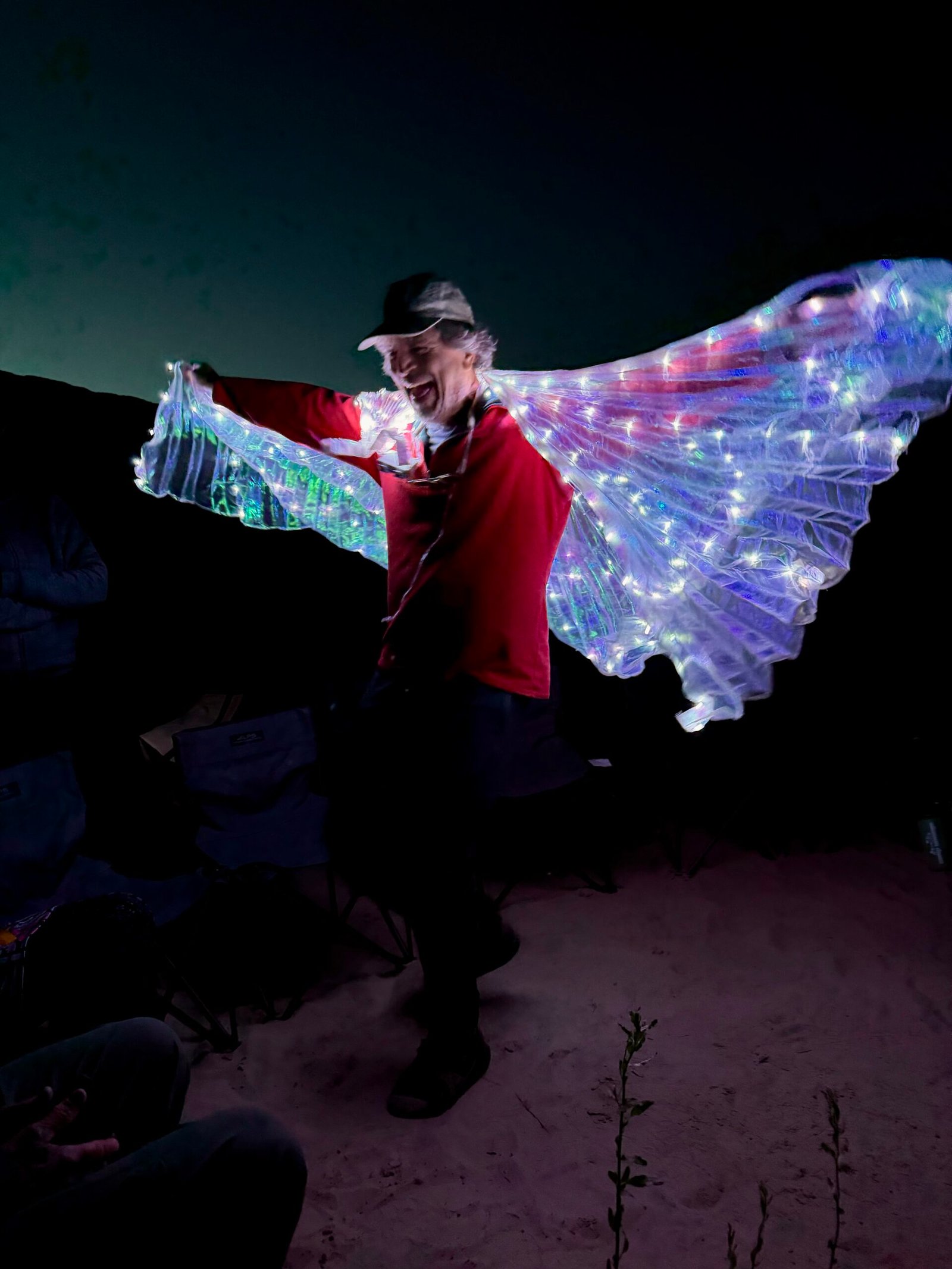
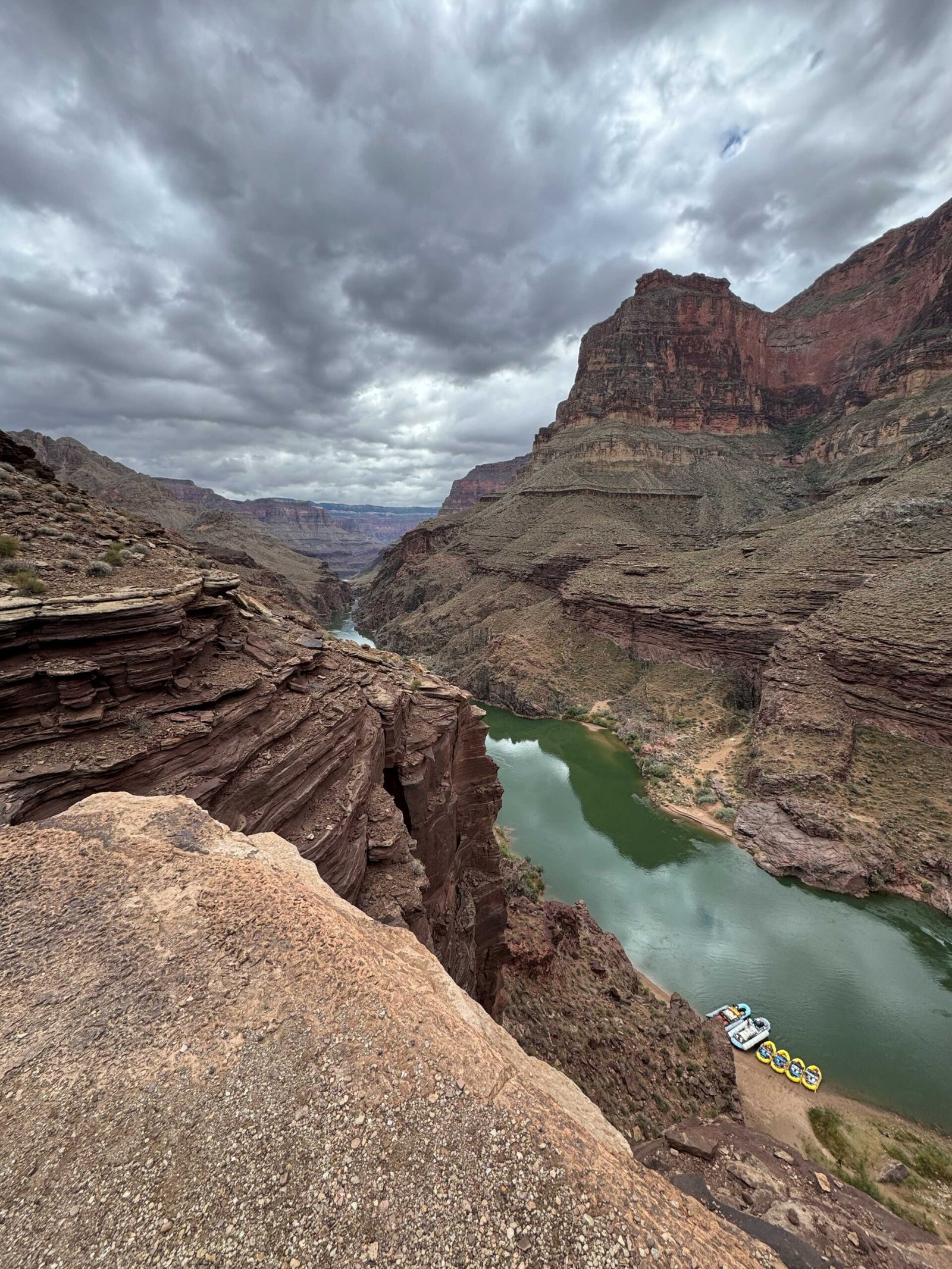
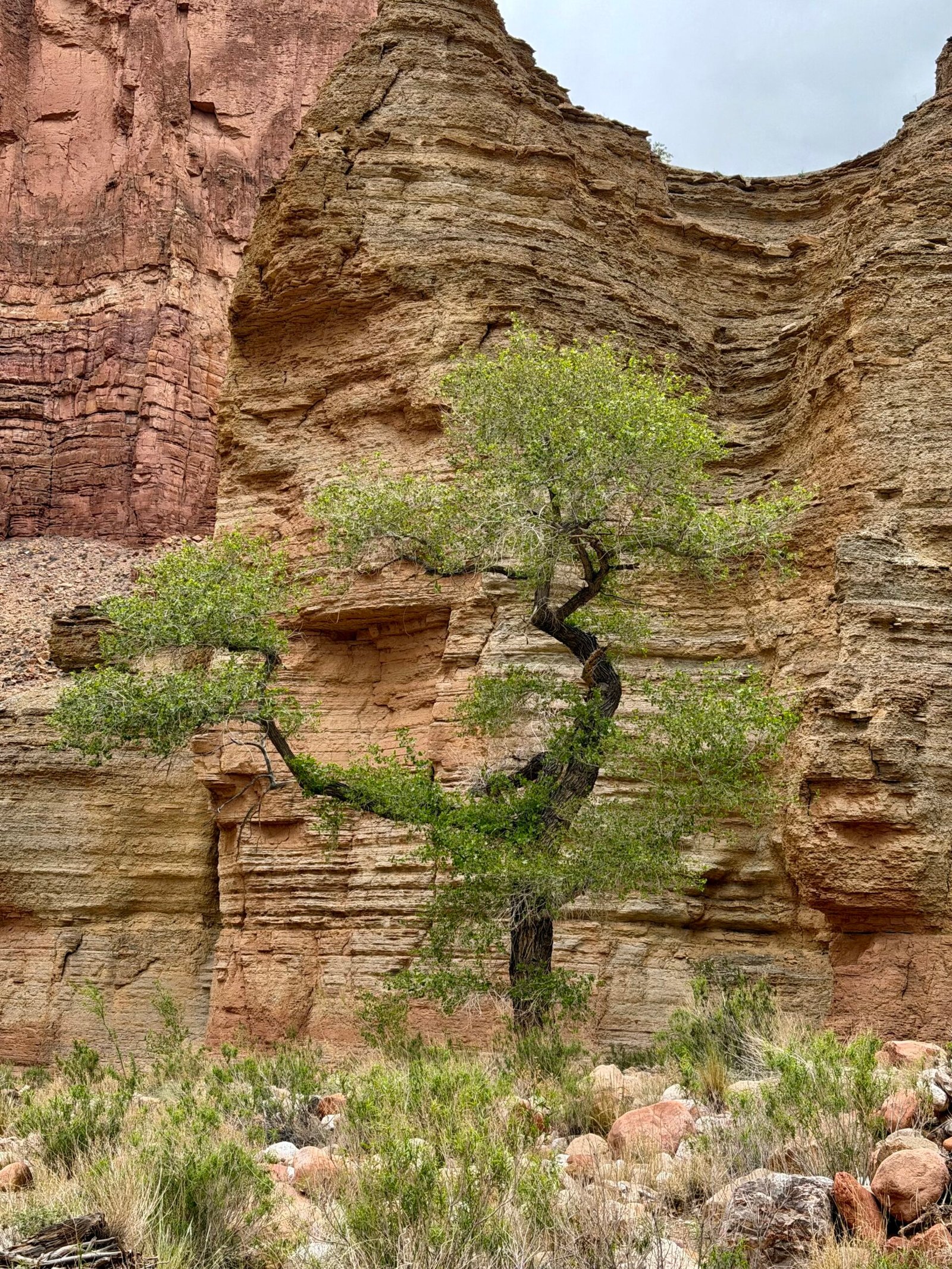
"Rock is slow life. Life is fast rock." - E.O. Wilson
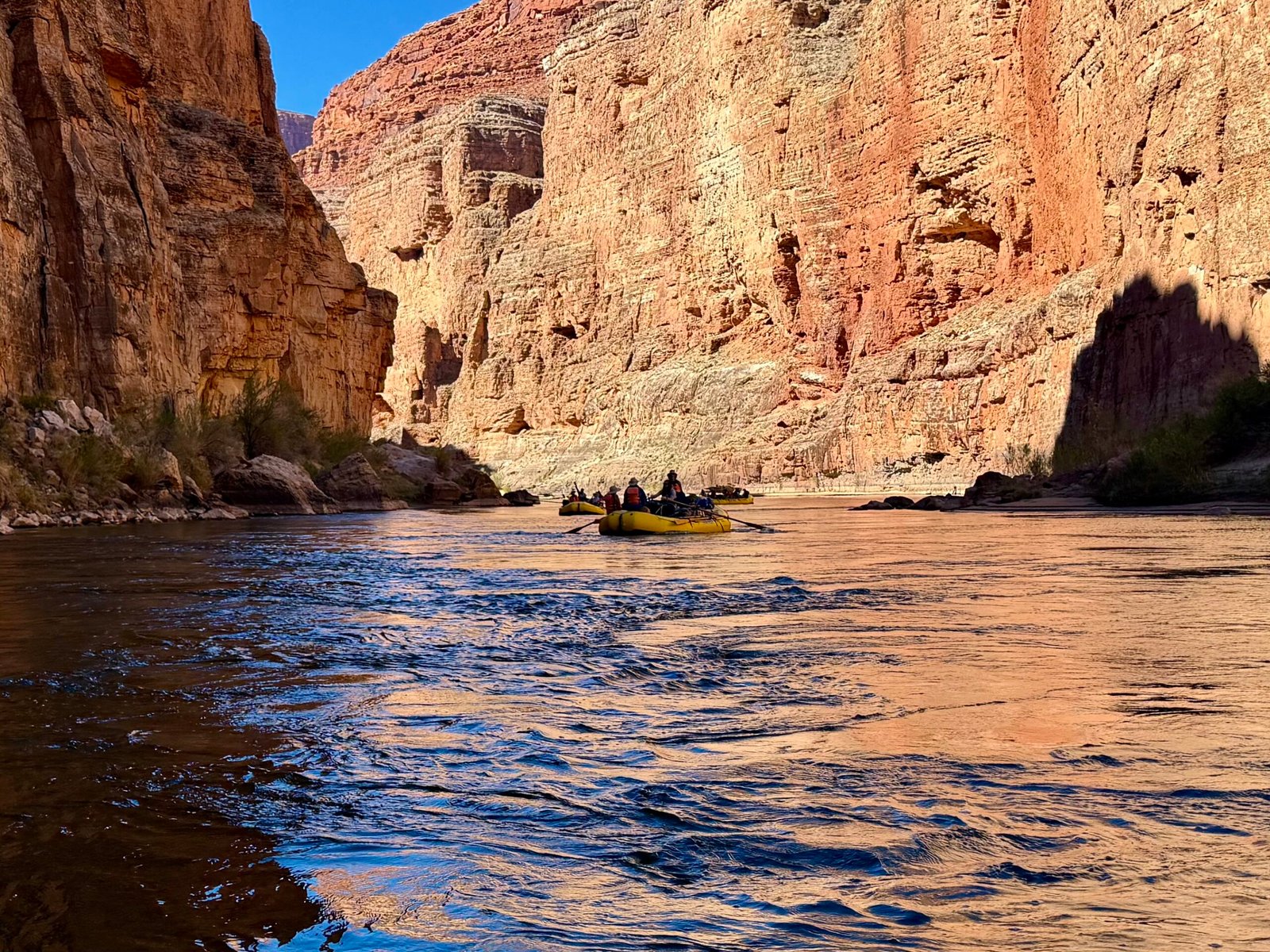
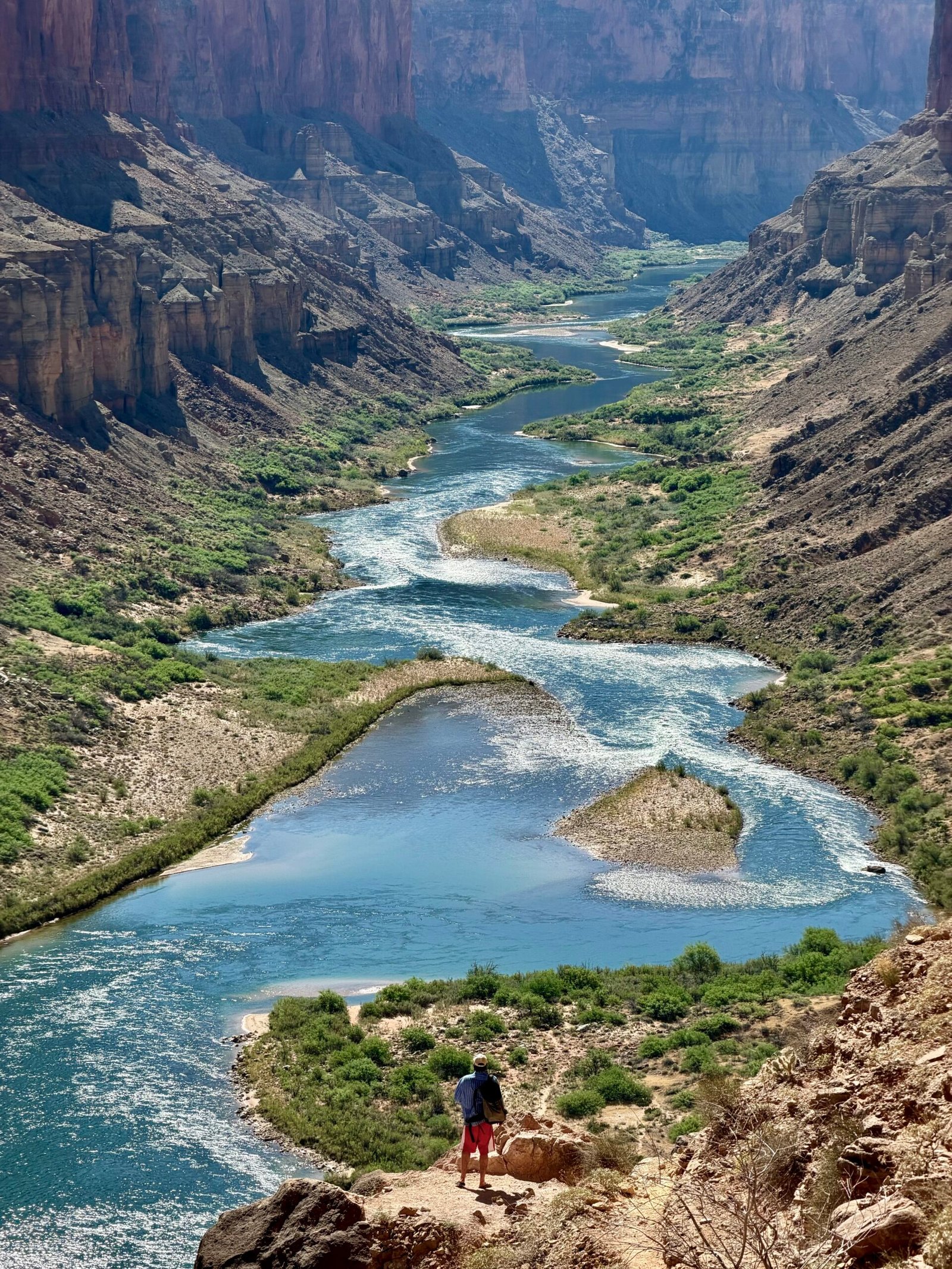
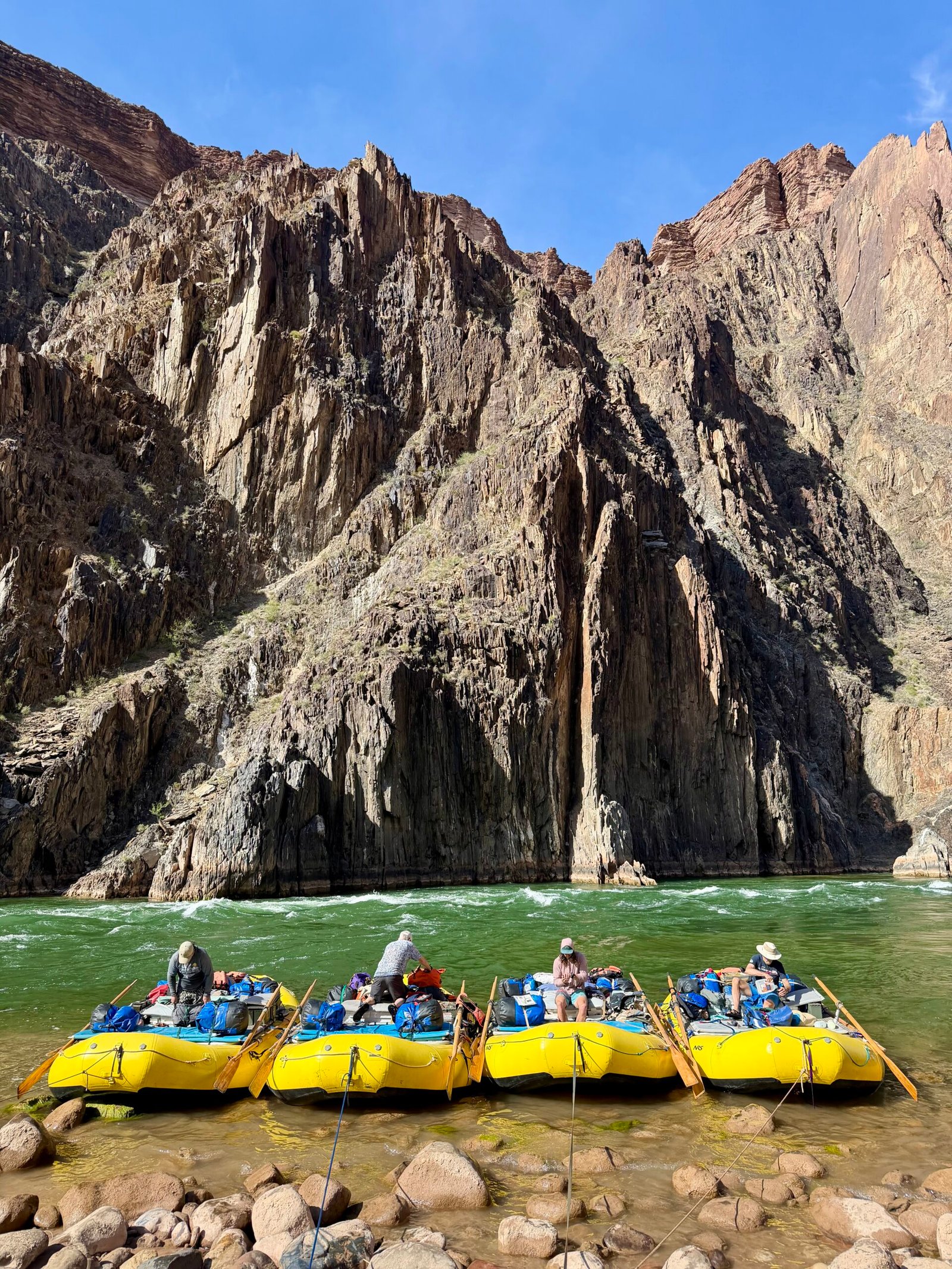
Dipping our first oar into calm waters, the trip begins at Lee’s Ferry, a quiet flat wash after which the river gradually gathers itself, deepens its run, before carving a series of shallow switchbacks leading into deep serpentine bends that will grow in scale to become the staggering and massive walls of the Grand Canyon, still miles away.
For the next 18 days and 227 miles, Adisa and I will ride a liquid rollercoaster of serene still waters + turbulent short riffles + rapids growing in intensity, speed and danger, interspersed with daily on land explorations of many side canyons by foot.
The mighty Colorado River descends from the peaks of the Rocky Mountains and runs south thru the Grand Canyon. We are smack dab in its most challenging segment where daring river expeditions date back to 1869 when a one-armed nature explorer William Powell threw chance to the wind and survived to tell the tale. Since then, many have risked it all to run its entire length. Today, you can still see the discarded rusted equipment and boat wrecks from past attempts as you float by.
Q: So what does it feel like?
In our daily life back home, we typically walk the dog, drive our cars and run errands up on the surface of Earth.
So, to descend into a fluid magic carpet-ride deep inside the Earth is both disorienting + astonishing.
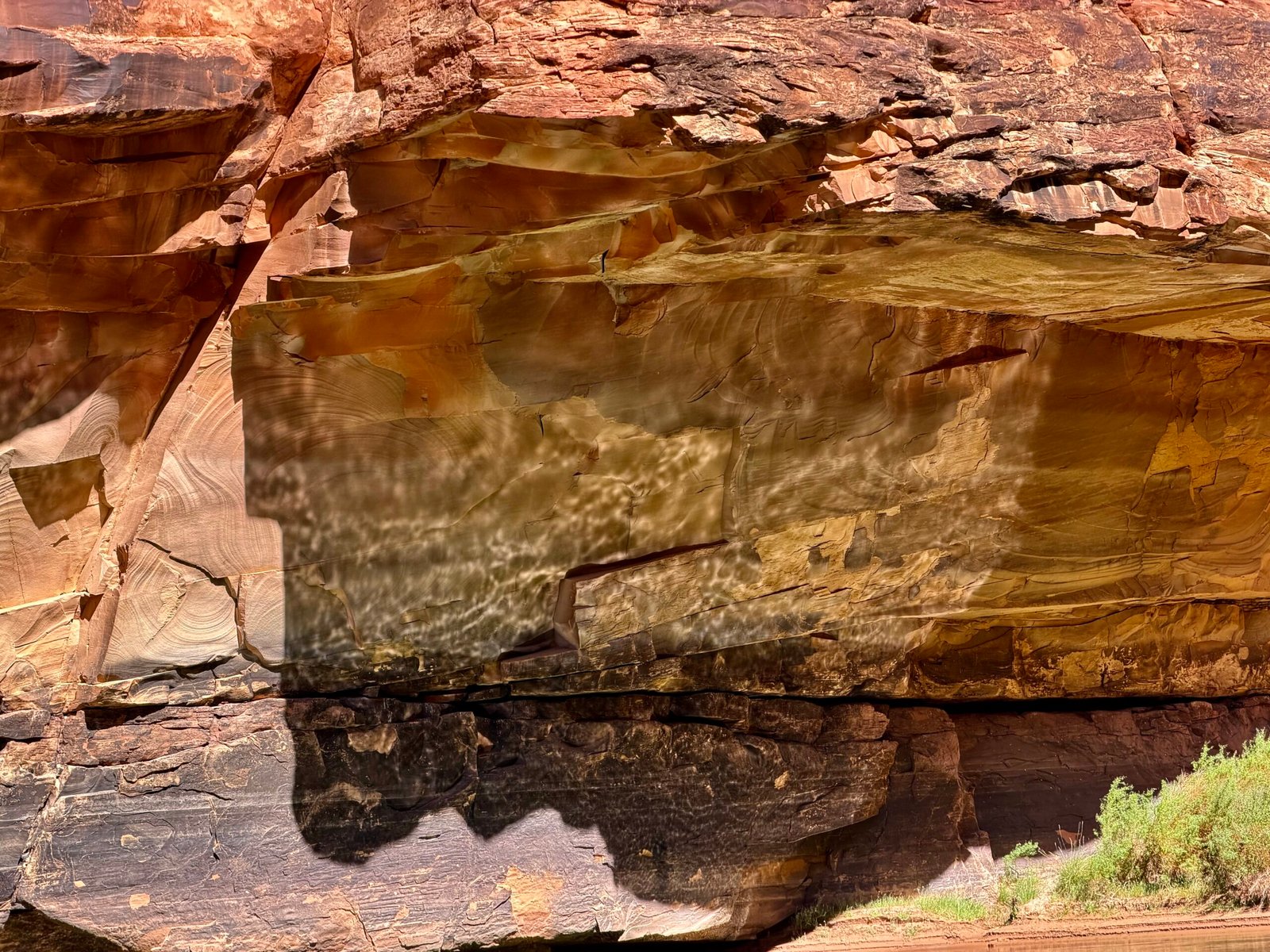
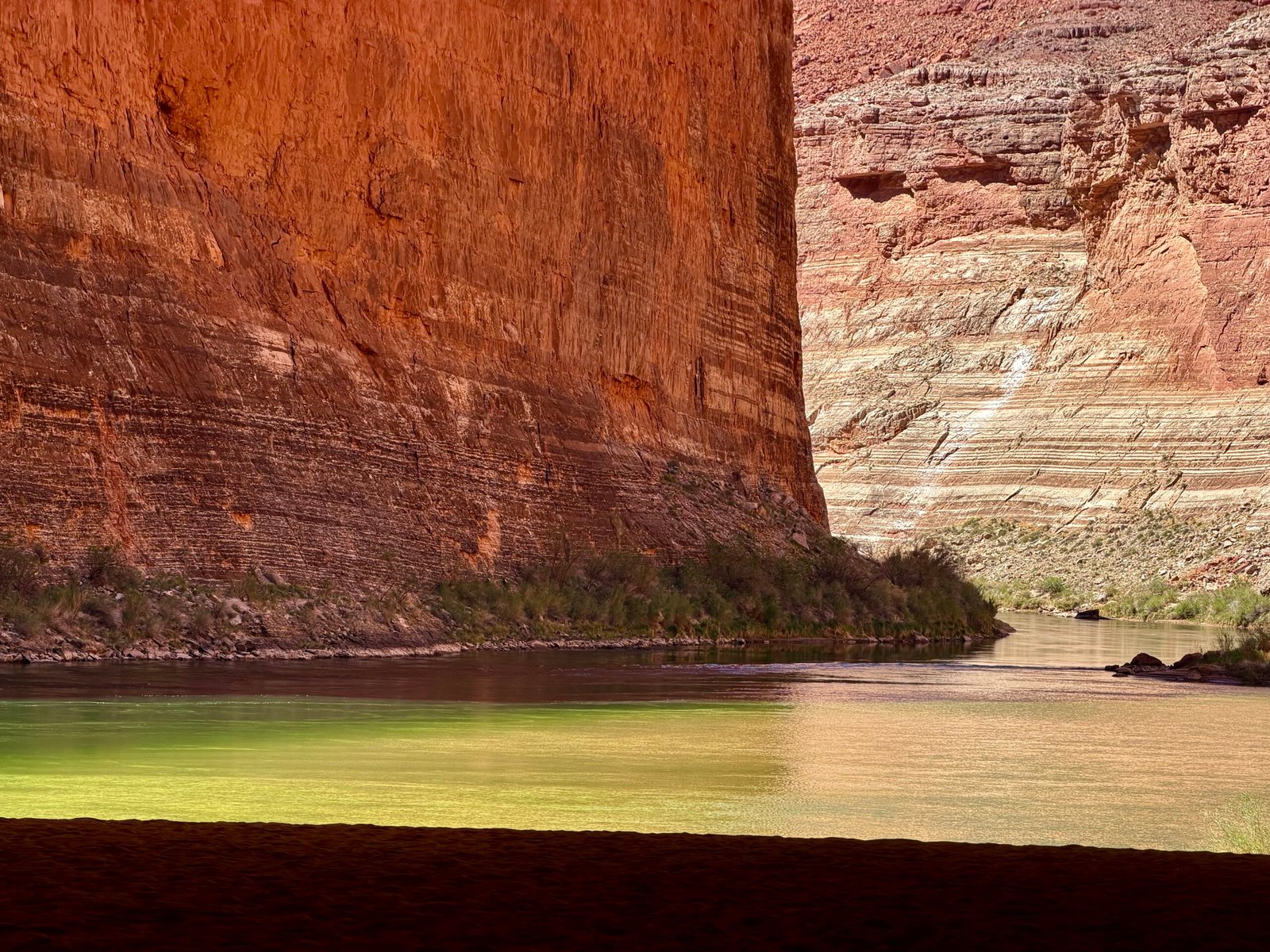
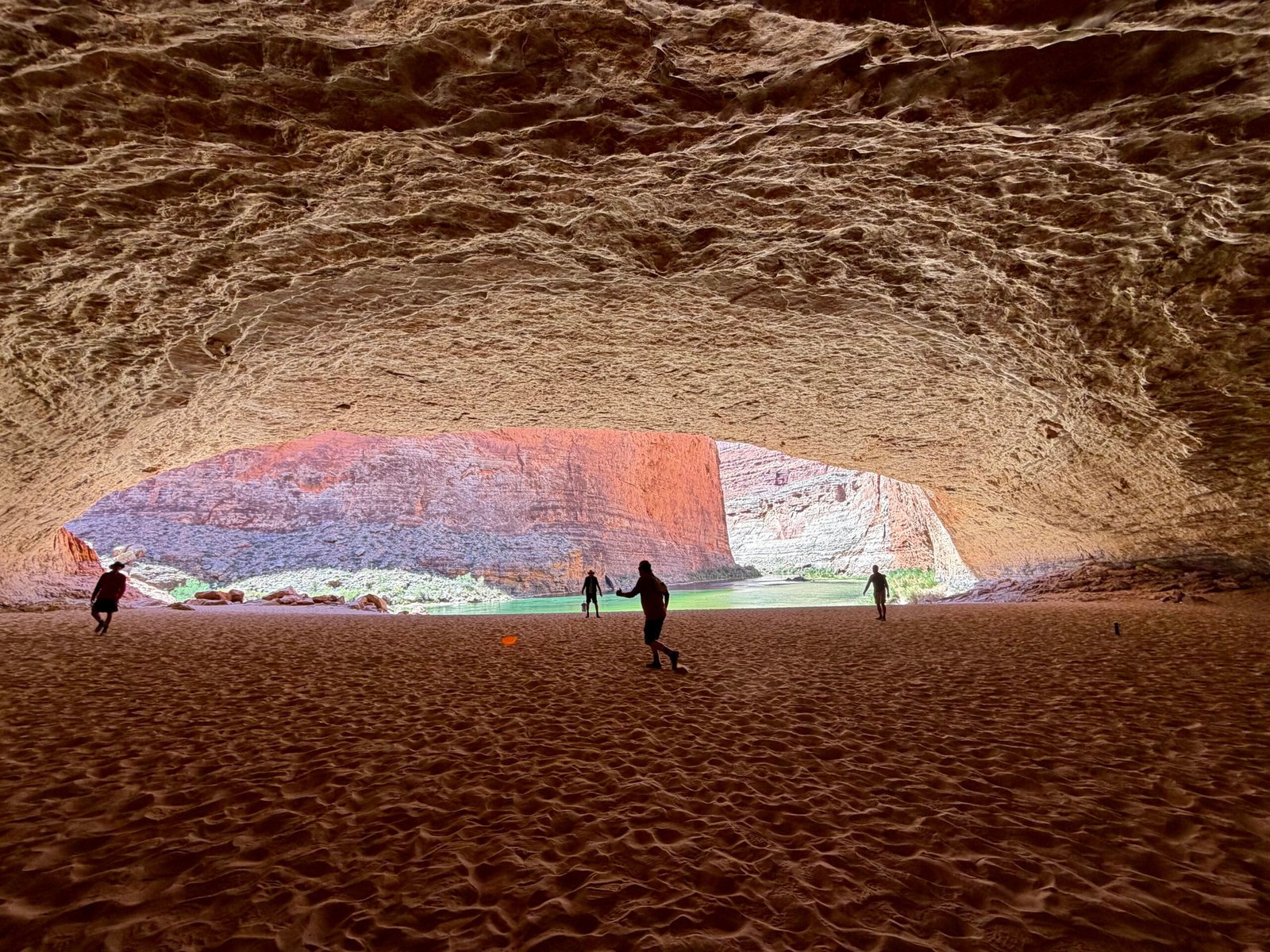
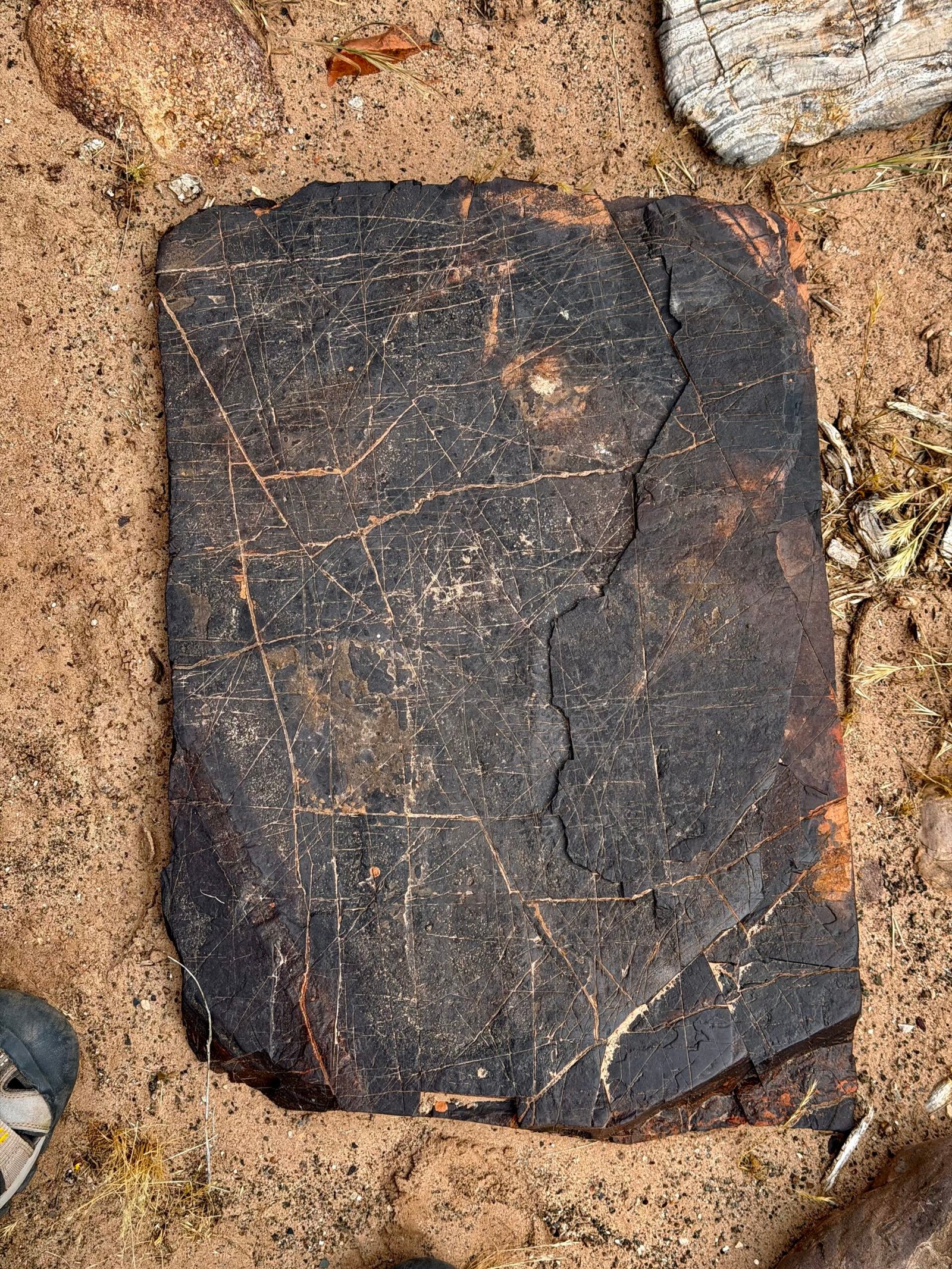
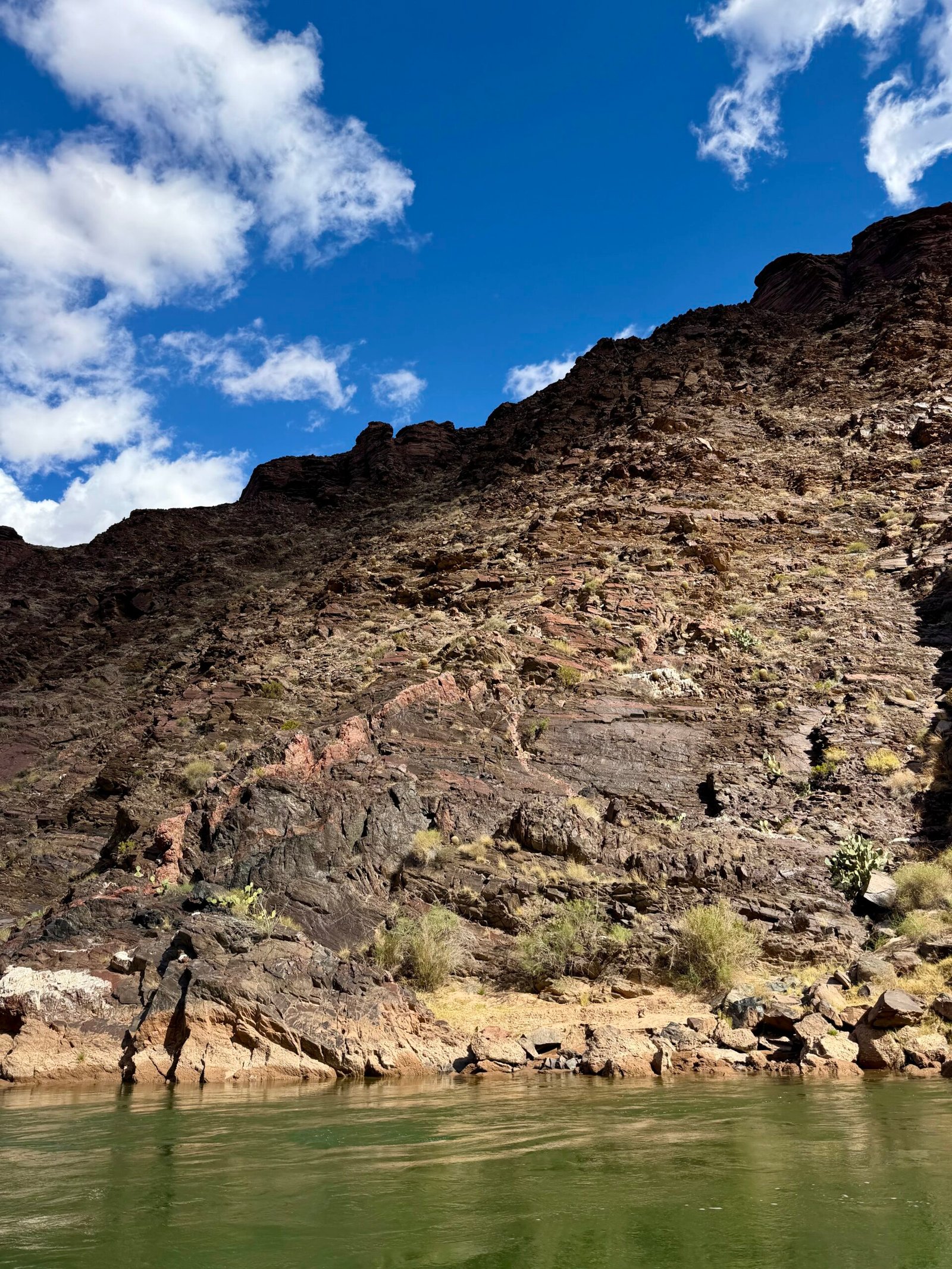
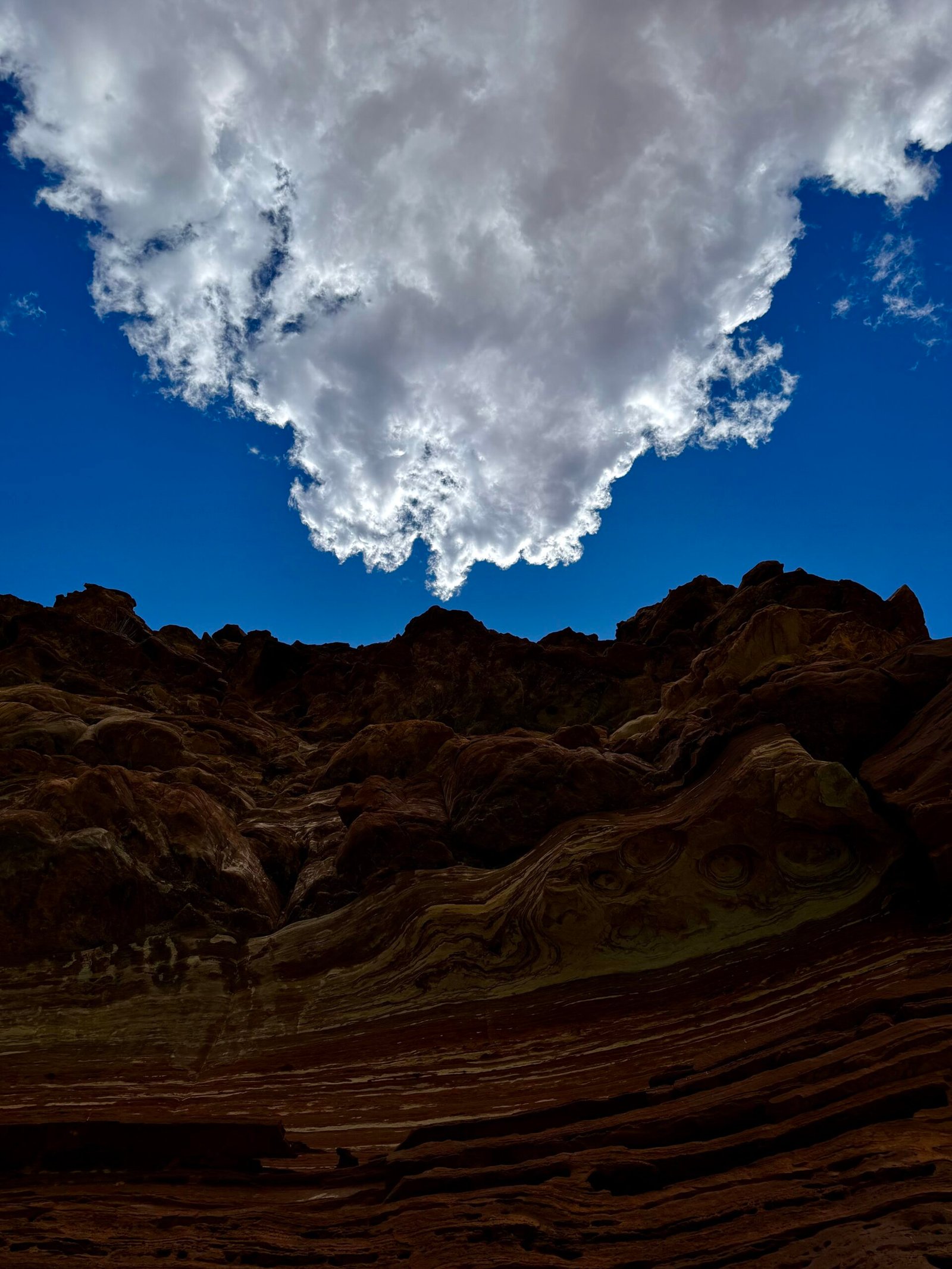
And here's the thing; down here nature's beauty only increases with each passing mile as the canyon walls slowly reveal their hidden past. Their stories of violent creation, with walls now smoothed walls from water's touch. On this trip, we learned how to read the walls and recognize the deep geological layers of Earth's molten past.
Our cell phones are useless down here, the only connection to the world above is reading the Sun's changing arc where canyon walls act as our sun dial.
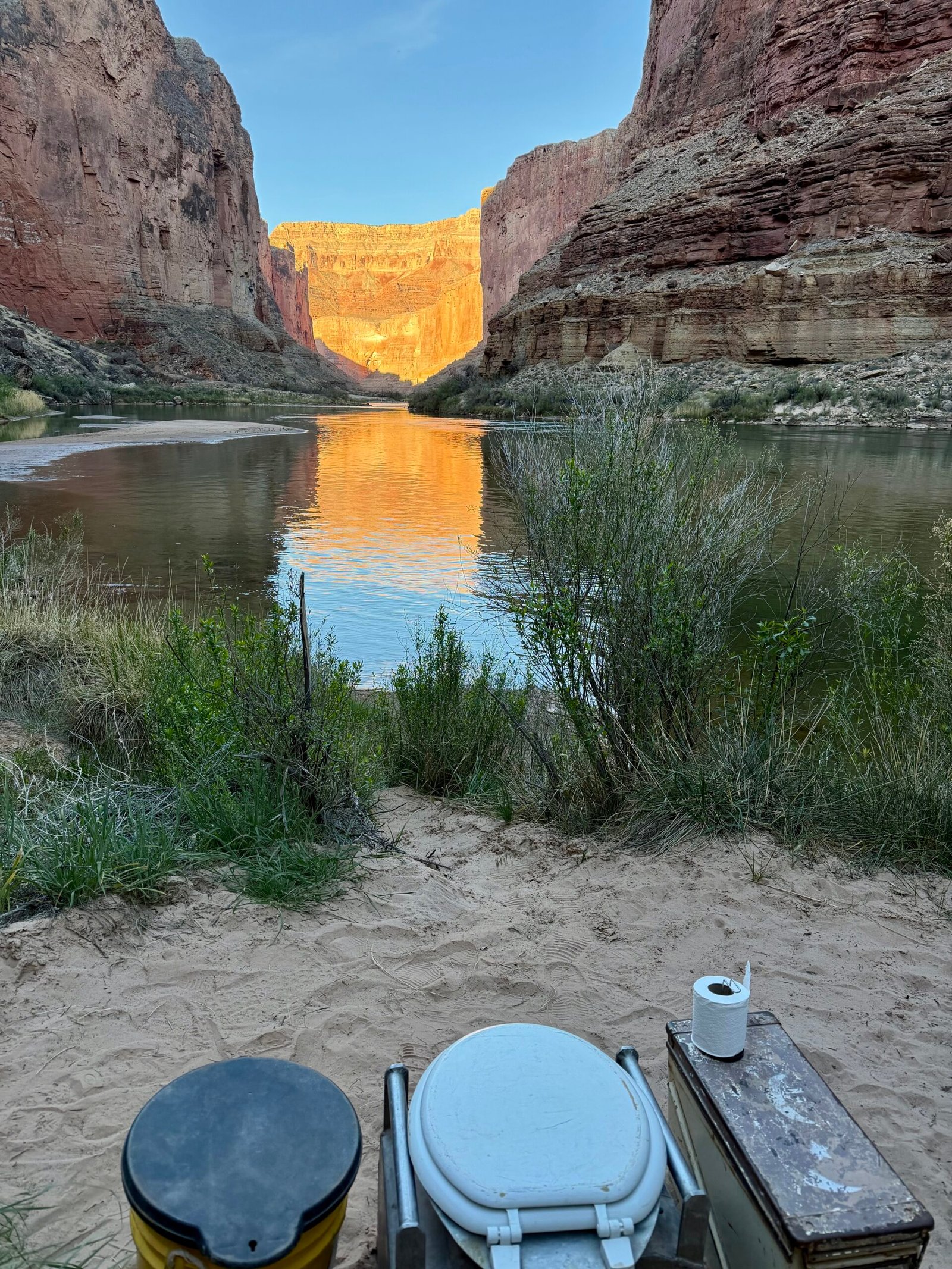
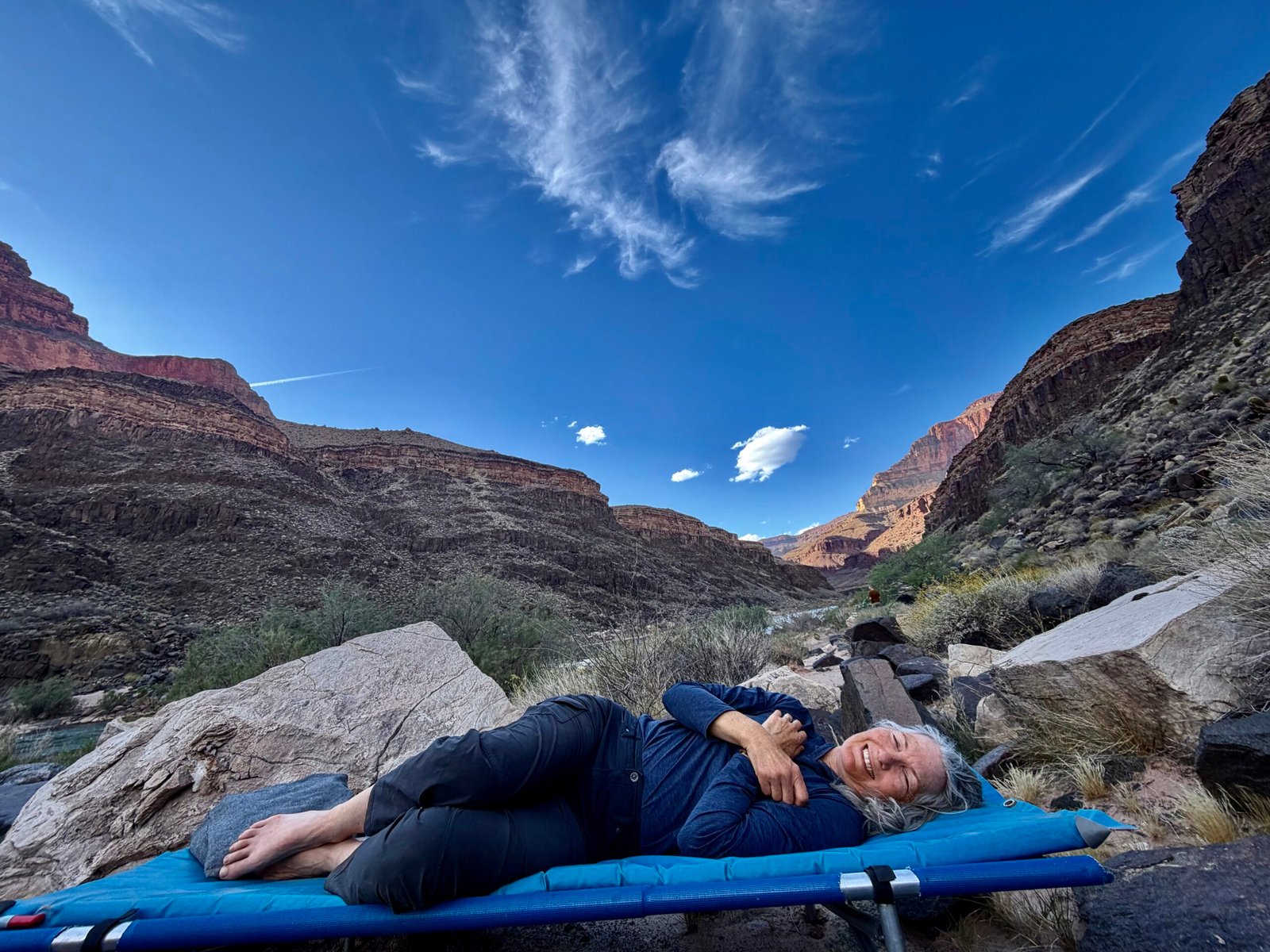
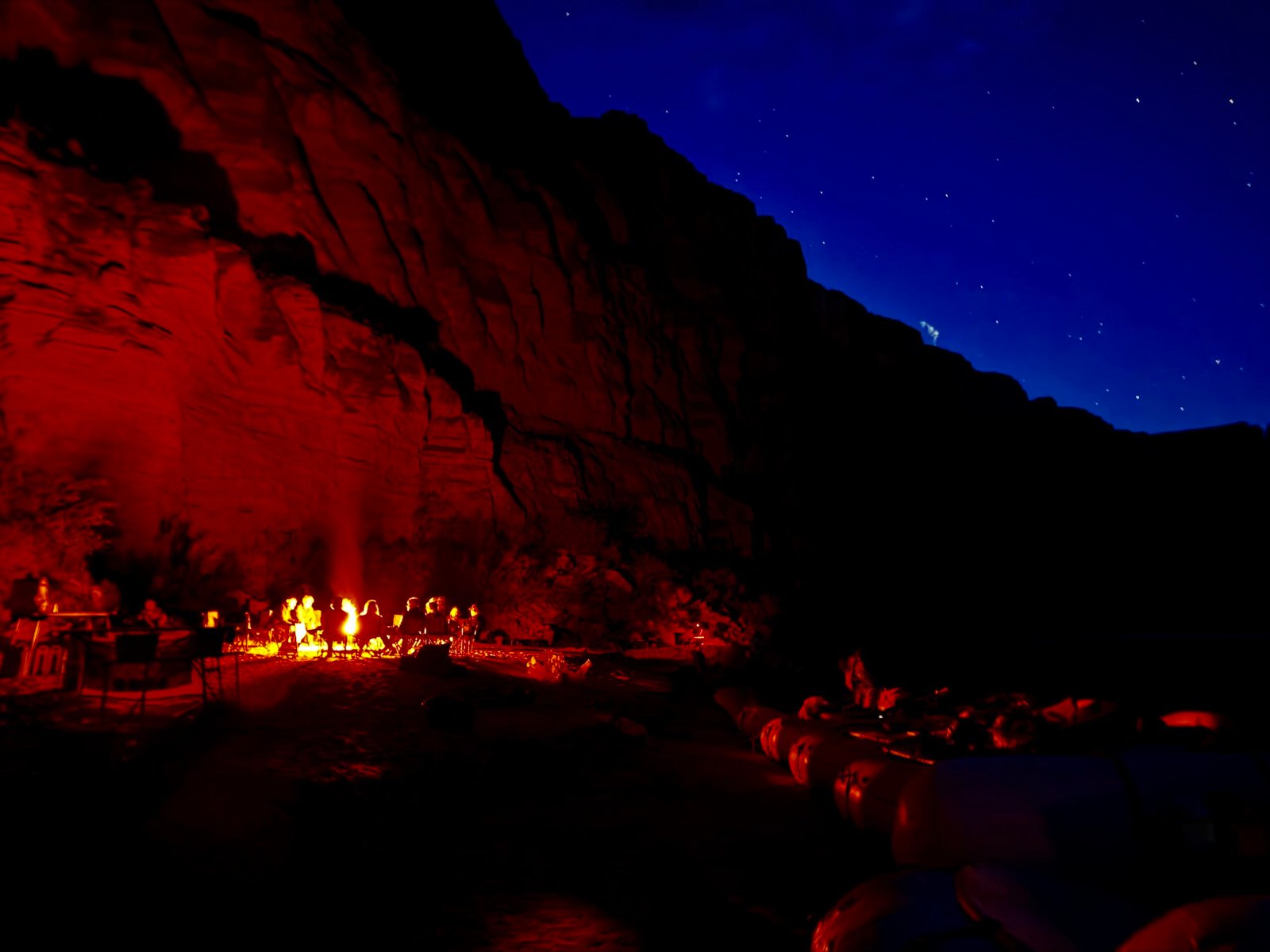
Tonight, our weathered aluminum cots will rest upon 1.7 billion year-old Vishnu rock piles which easily pre-date human time on Earth. Or even simple 2-celled organisms.
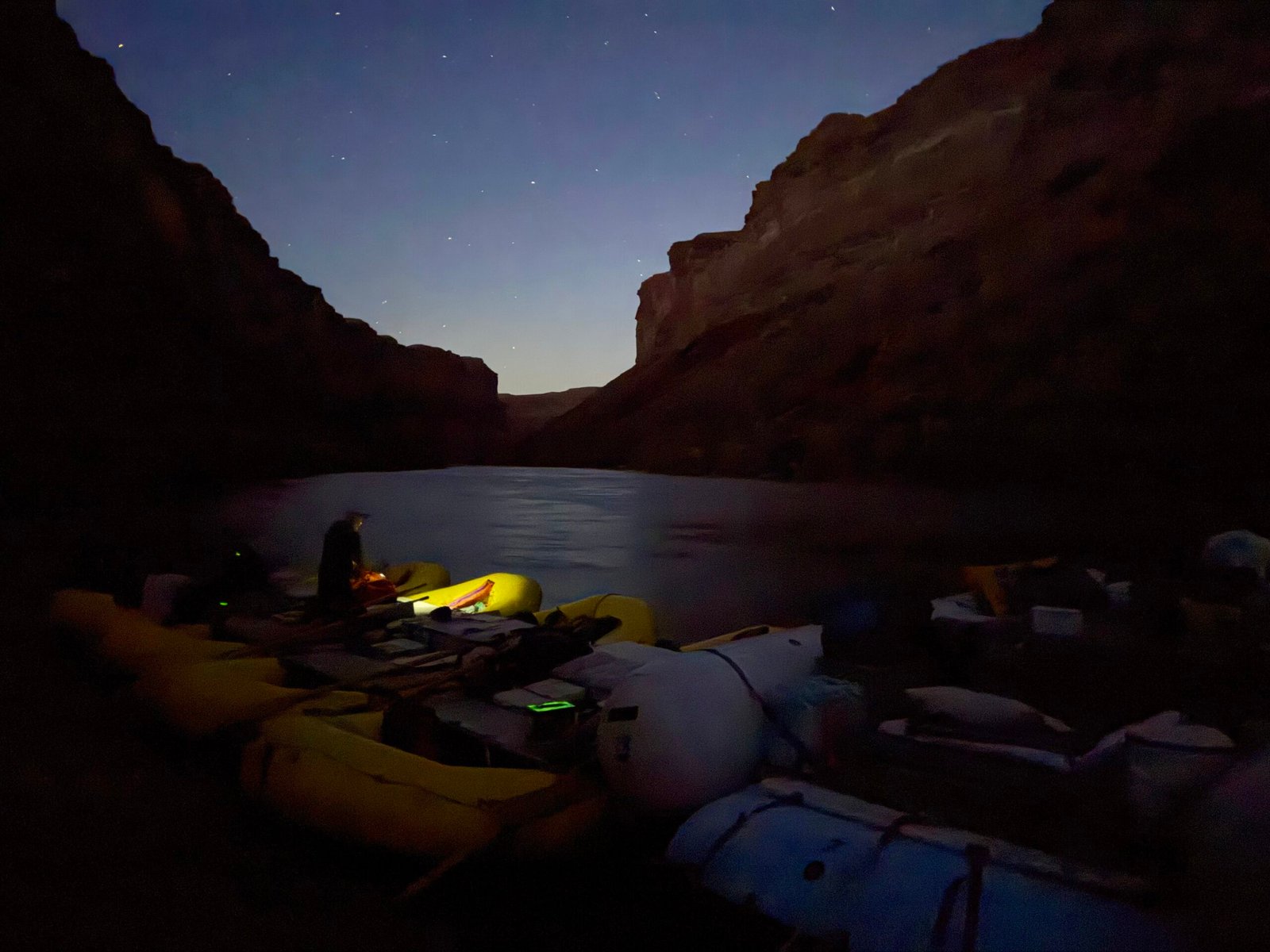
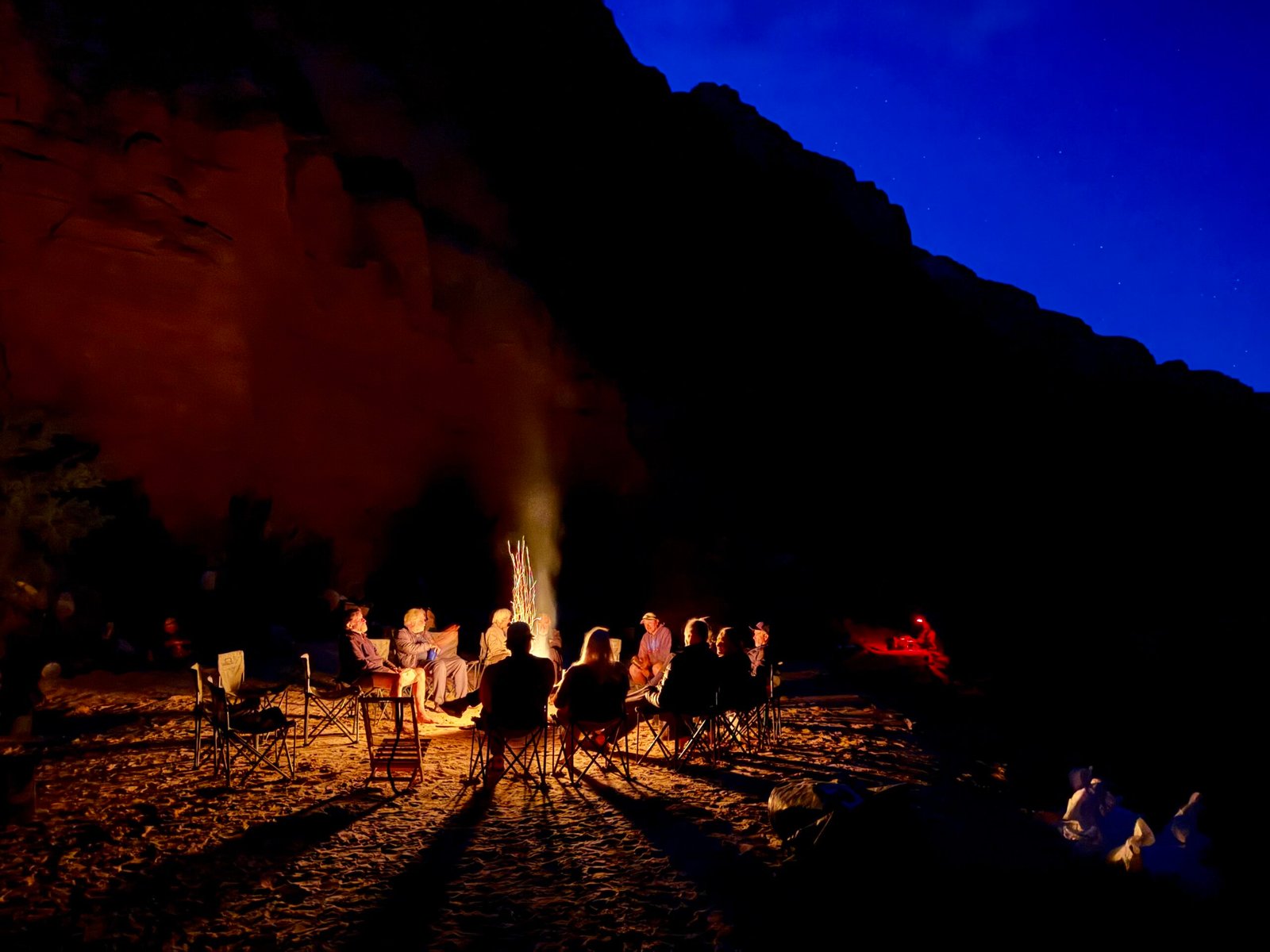
By contrast, the heavens above are alive with crisp constellations, vibrant falling stars, against a sea of slow moving satellites. We look up many times thru-out the night and weather the 4am coldest part of darkness.
Q: How do our guides safely navigate so much whitewater?
The USGS rates rapids in the USA from Levels 1-6. However, in the Grand Canyon that rating is expanded to 10.
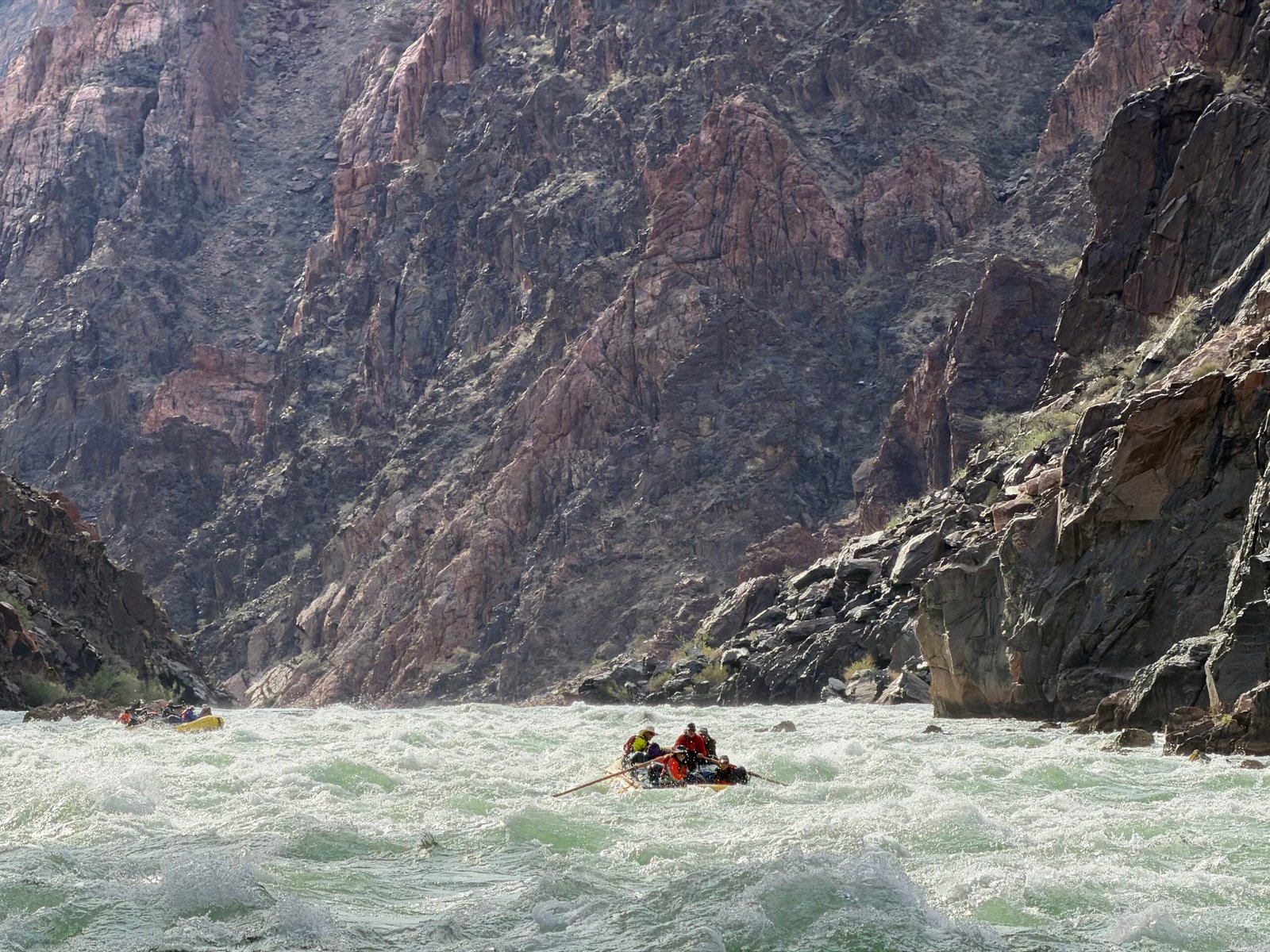
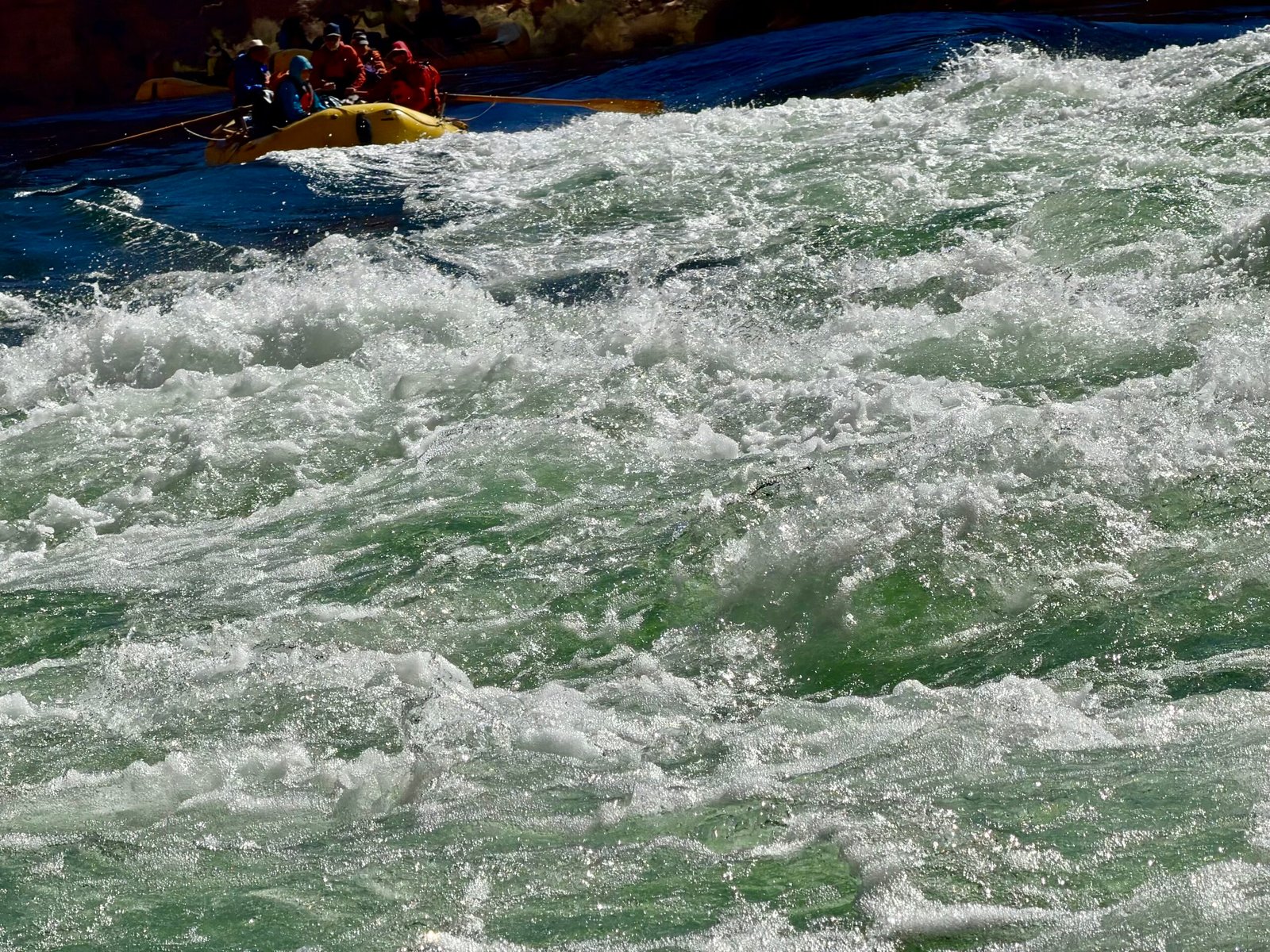
Every one of the 148+ rapids is completely unique in its configuration. Our guides are deeply skilled in navigating the changing conditions some of which include submerged boulders that create water holes which rafts try to avoid.
Often, on bigger runs, the guides will first stop at shore to assess the changing conditions and look for holes on the run ahead.
Rapids feel like improvisational jazz where river guide + feisty waters are continually playing off one another.
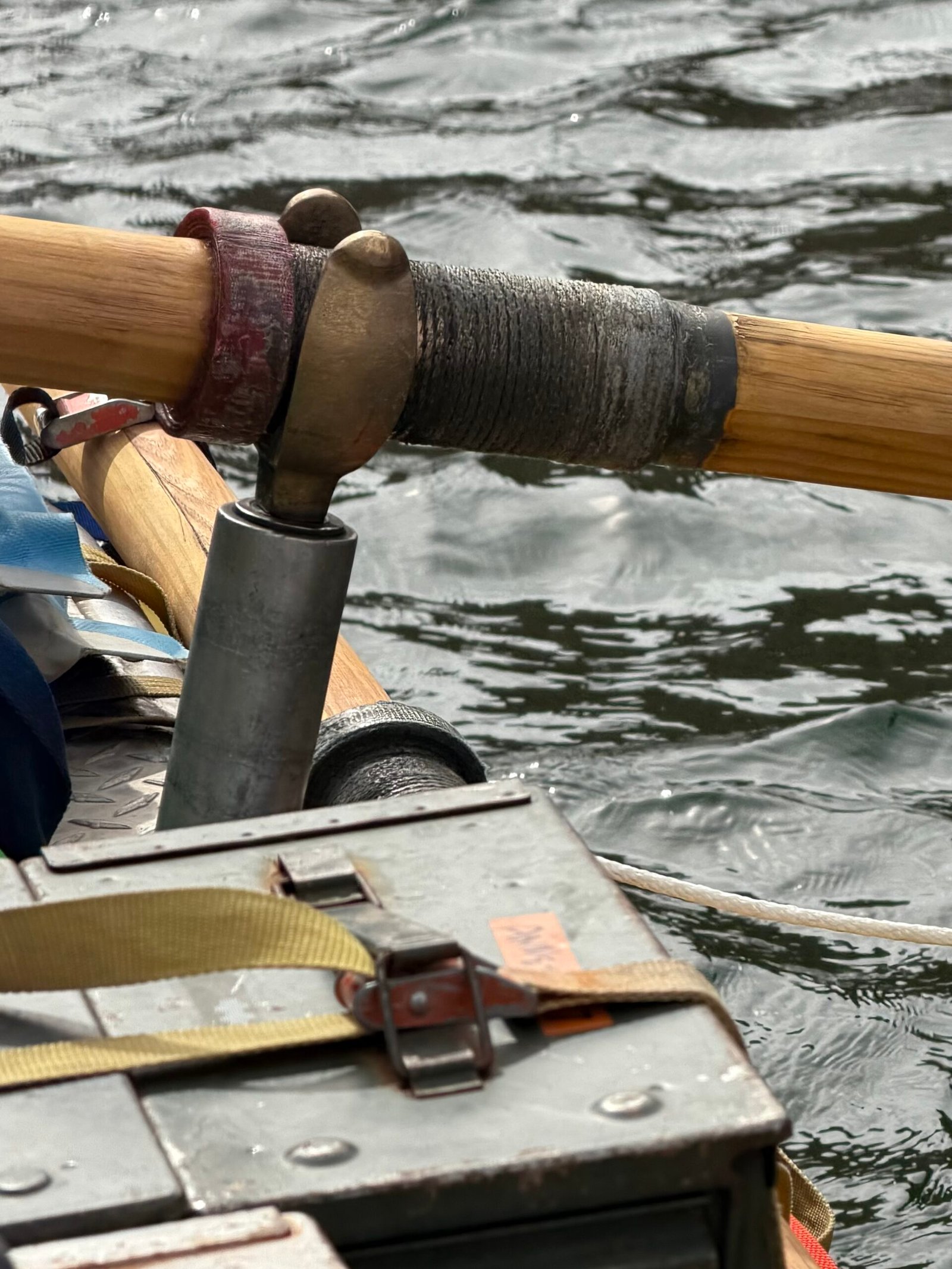
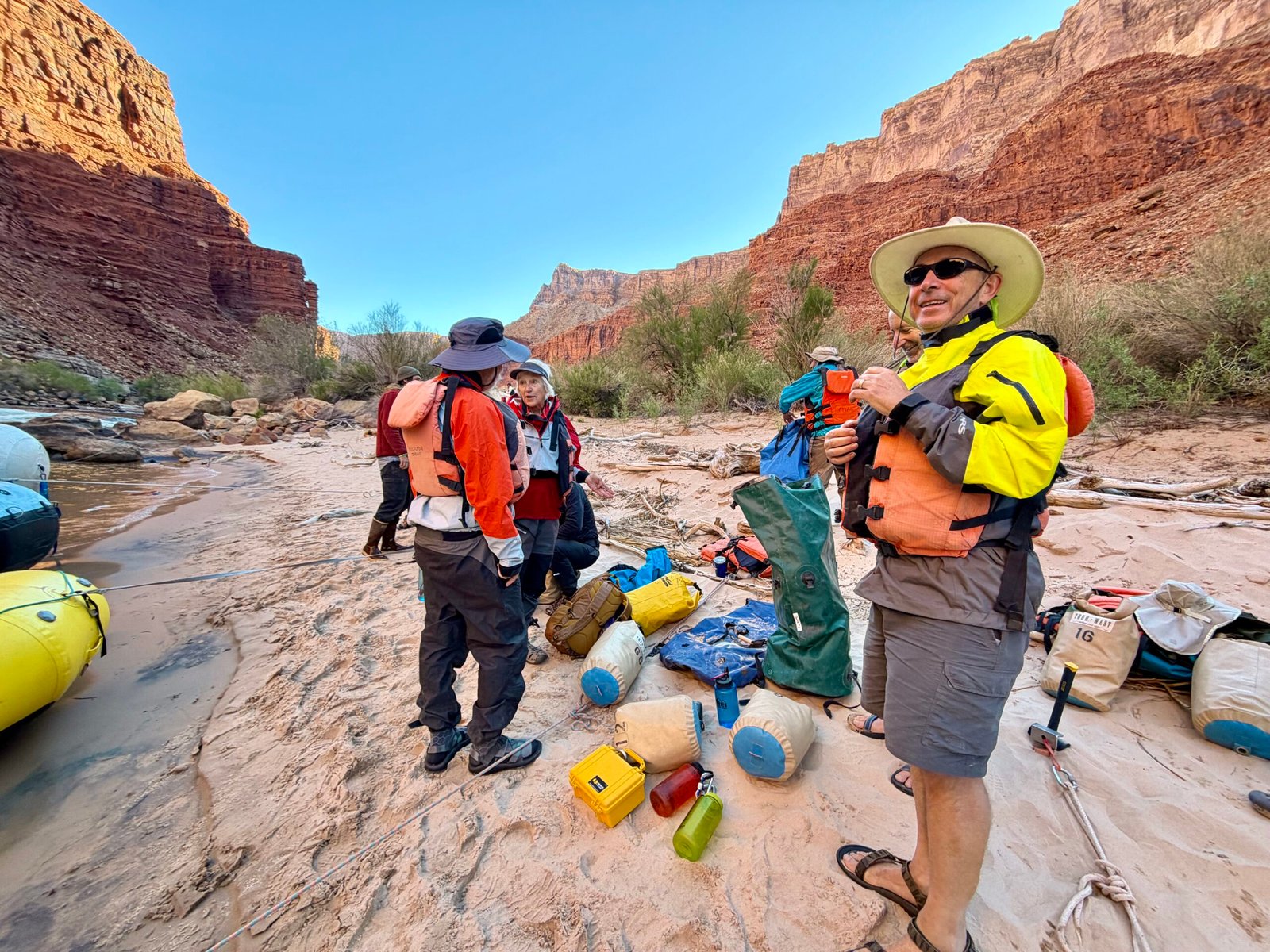
Wearing neck-tight splash gear and cinched down hats, we are taught how to get set by crouching inside the boat for approaching rapids, holding on tight with both hands. There are no actual seats. They ask to be ready to punch through waves that can occur at the edge of holes.
Boat and passengers simply do their best to hug the river as the waves seek to unhinge and buck us off.
Q: Tell me about a typical day?
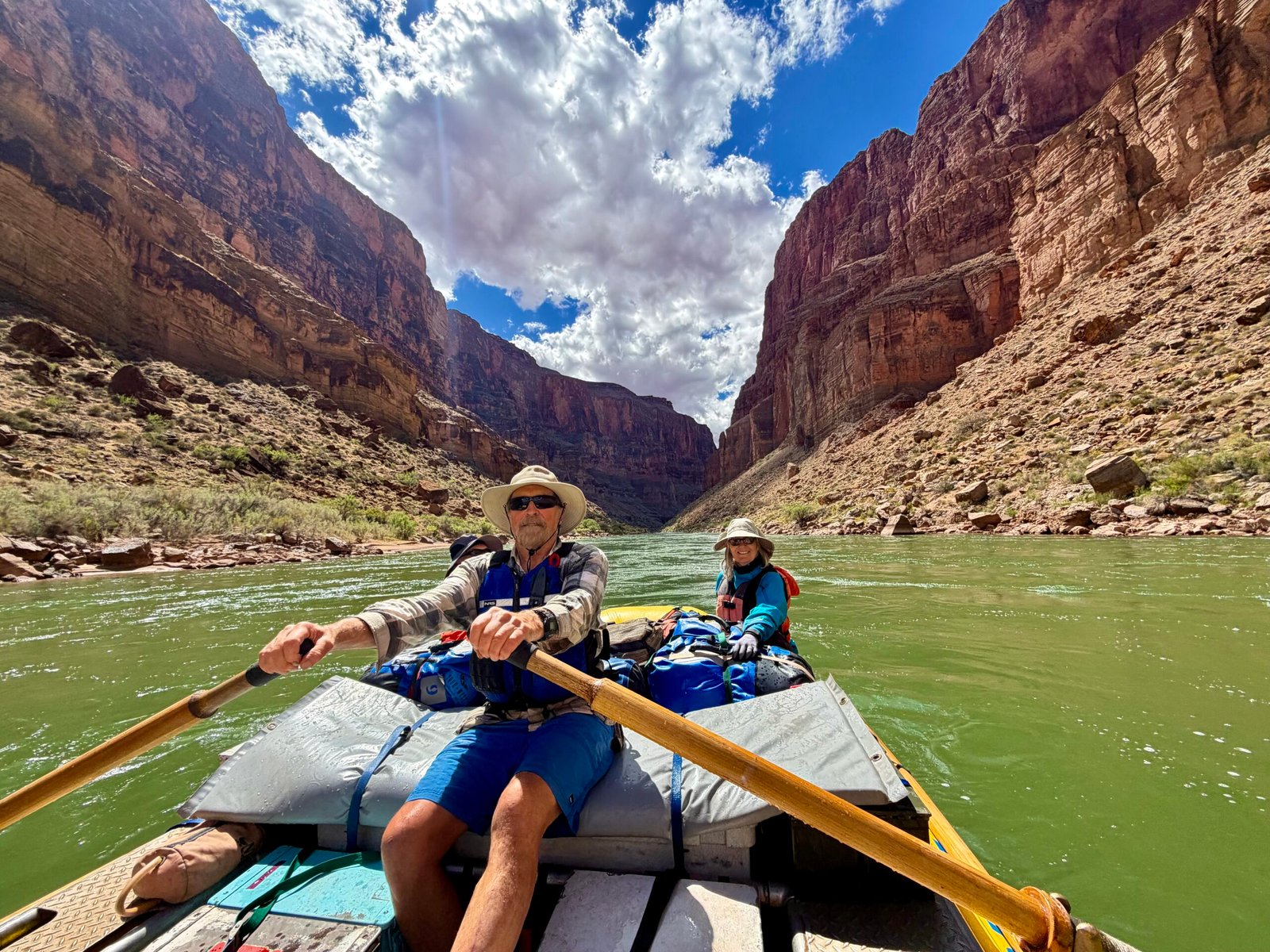
Each morning after breakfast, we pack up camp and choose a boat to ride in for the entire day, placing our full trust in guides as we shove off into the unknown.
As the day progresses, each guide helps us move through bouts of apprehension towards curiosity and anticipation via storytelling, geology lessons and ample river guide humor. Lots of that!
Jokes help as some of the bigger rapids are real heart stoppers: able to easily flip boats, twist metal frames and toss passengers into the frigid 52 degree Colorado.
The medium-large ones douse you in ample amounts of 52 degree water. While the cold water is brisk, it is more the heavy volume and weight of it pushing you down on your perch. It all happens quite suddenly. Near these water holes, waves can reach 6-7 feet tall with water coming in over the front, the sides, sometimes causing the boat to spin, buck and lurch to find its best path thru the mayhem.
What I learned:
1. The physical power of nature is staggering. And it is also beautiful. Seductively so. Seasoned trip lead Gary has been on the river 50 years and reminded me that we are an integral part of this beauty, not distinct from it or above it. We are nature in human form.
2. The longer you are in the canyon, the more wild things you see. The recurring patterns of rocks, especially the ones where you do a double-take as they appear to be smiling back at you, sometimes with a haunting grin.
3. To be outside for the full arc of the day/night allowed me to see how the heavens + earth interconnect so elegantly and often across 24 hours. I will look up more often in life moving forward.
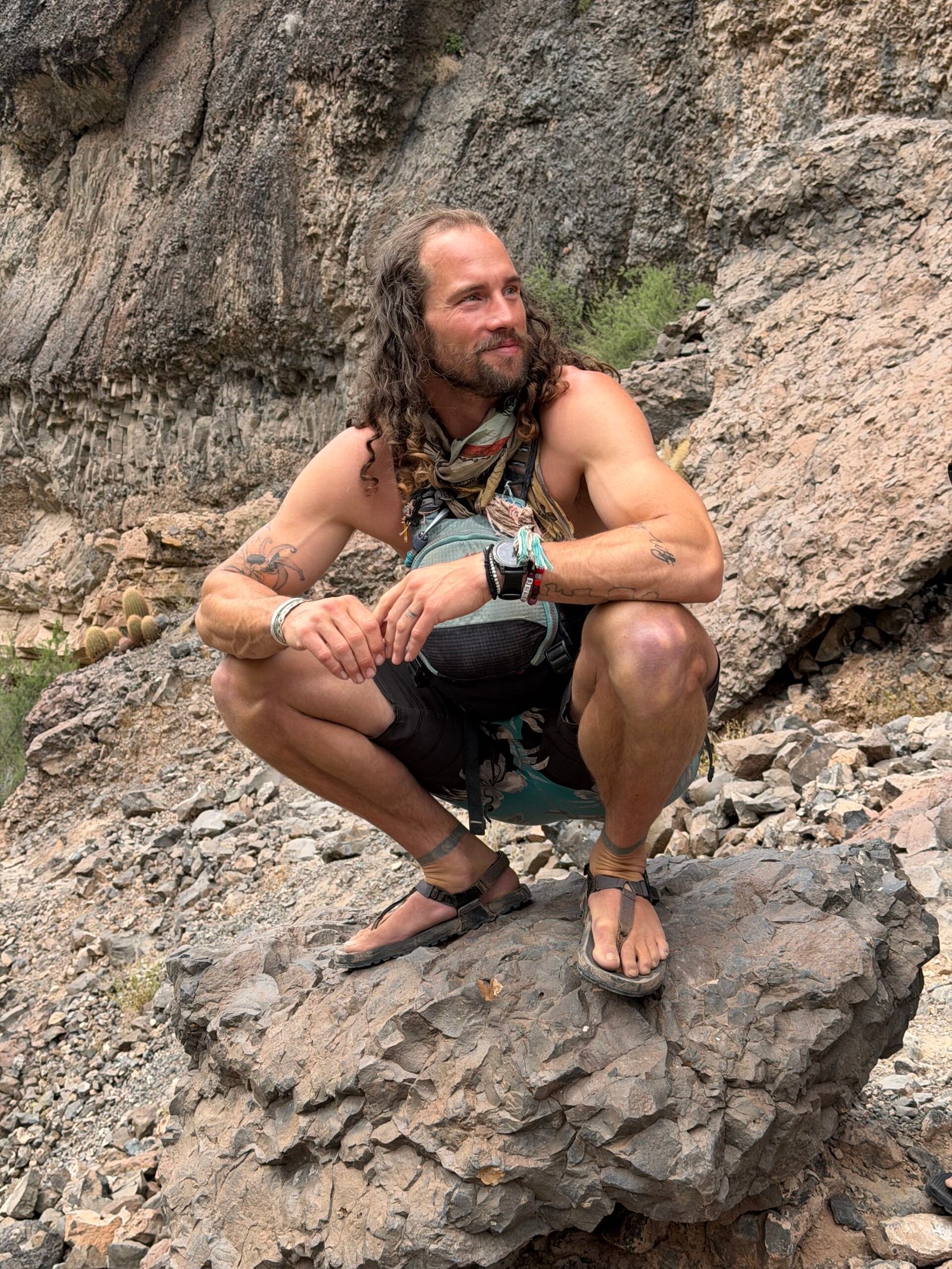
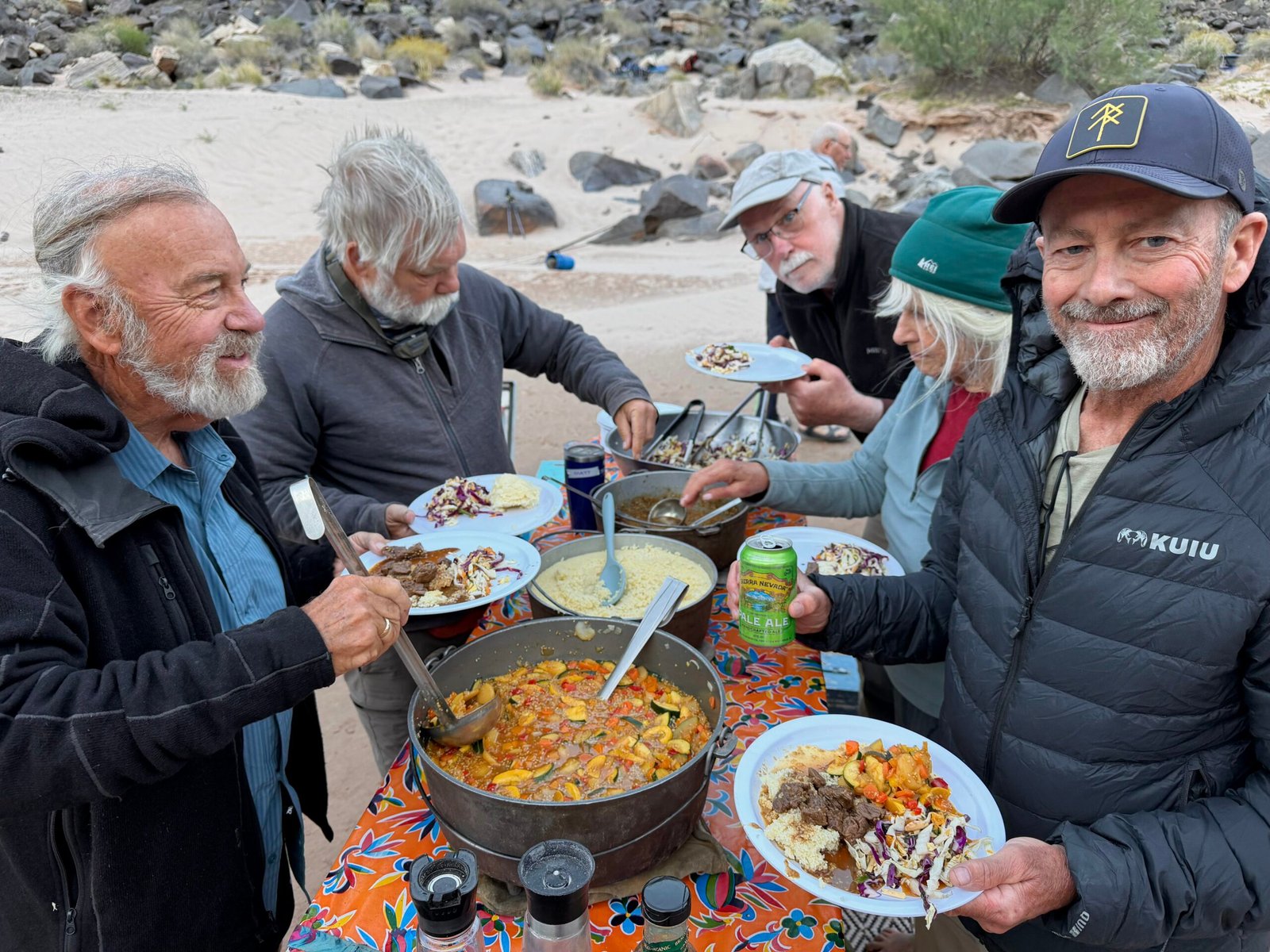
4. Exposure for 19 days is no joke - cut hands held together with sandy patches of CrazyGlue, ripped shorts, matted hair, fine sand in every orifice, and zero hot water except for the morning coffee call.
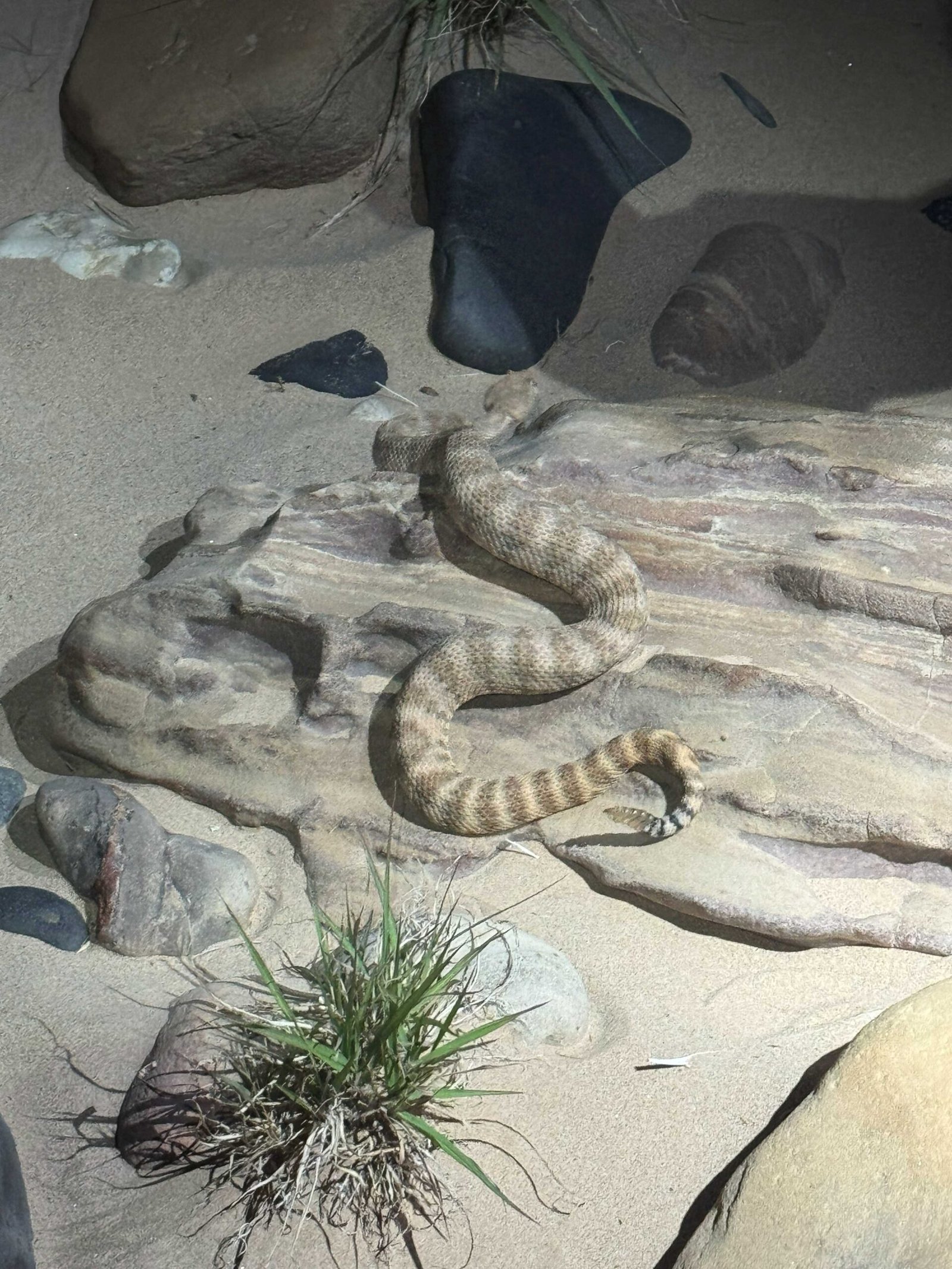
5. Yes, occasionally a rattlesnake may crawl into an empty sleeping bag, so just look first. Our guide Kyle simply relocated ours and went back to cooking up a fabulous dinner under the stars.
Simultaneously touching the surface + depth of things